
Gray-foot lancetooth snail
Haplotrema concavum
Eats: Other bugs and small animalsSnails, slugs and wormsForests and woodsNo legsNot an insect, but a bug cousin

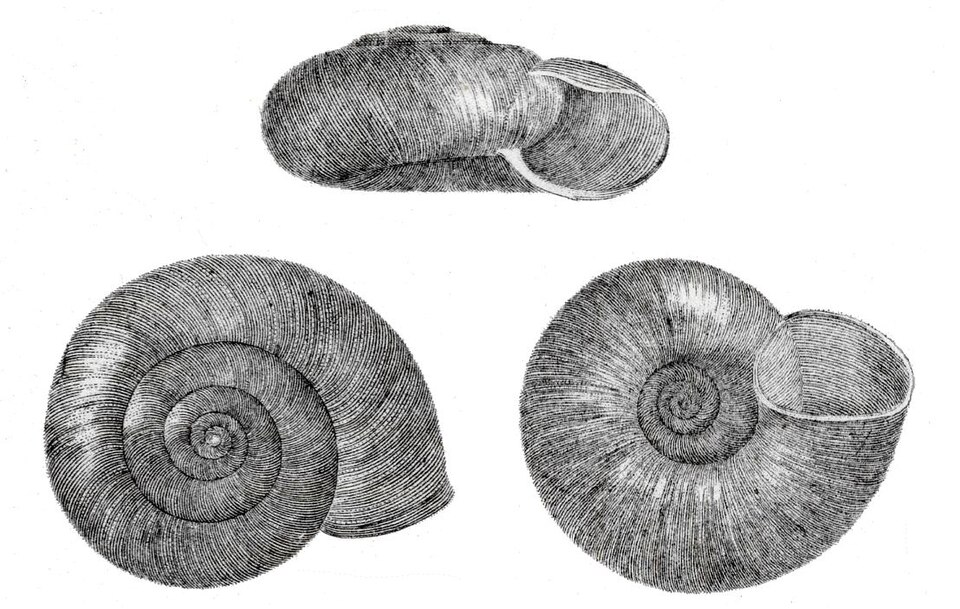
The gray-foot lancetooth is a land snail with a surprise: it is a hunter. It slides through the fallen leaves in the forests of North America looking for other snails to eat. It breathes air, just like we do.
Fun fact: this one is not an insect at all, it has no legs! But kids find it on every bug hunt, so it lives in Bug Wiki too.
Lives in
Eastern North America, from southern Canada to the Gulf of Mexico, in damp leafy forests
Can it hurt you?
Harmless
Harmless to people. Wash your hands after holding one, like after touching any wild animal.
What does it eat?
It eats other snails. It is one of the few snails that hunts instead of munching plants.
How fast is it?
Gray-foot lancetooth snail about 0.03 km/h (0.02 mph)
A garden snail about 0.05 km/h (0.03 mph)
A tortoise about 0.3 km/h (0.19 mph)
A person walking about 5 km/h (3.1 mph)
cool stuff
Fun facts
1
It lives in the leaf litter near the bottom of trees and under rotting logs.
2
It hunts other kinds of snails, which is quite unusual for a snail.
3
It lives in damp forests with trees that drop their leaves, from Canada all the way south to Florida.
you asked
Most asked questions about Gray-foot lancetooth snail
?What does the gray-foot lancetooth eat?
Other snails. It is a meat-eating snail.
?Where does the gray-foot lancetooth live?
In damp leafy forests in eastern North America, under logs and fallen leaves.
For bug experts
- Scientific name
- Haplotrema concavum
- Group
- Snails, slugs and worms
- Family
- Haplotrematidae
- Classification
- Gastropoda > Stylommatophora > Haplotrematidae
- Lives on
- North America
- Also known as
- Gray-footed lancetooth
Where the facts come from
- Haplotrema concavum (Wikipedia, CC BY-SA 4.0): what it looks like, where it lives, what it eats, sizes and fun facts, retold in simple words.
- Picture by William Greene Binney (1833-1909; U.S.A.), (scanned by Tim Ross). Public domain, Wikimedia Commons. The sticker of this bug is drawn from this picture.
If we got something wrong, sorry, we are bug fans, not a science journal. Tell us at [email protected] and we will fix it.
Bug Wiki honey jar For grown-ups: Bug Wiki is free, with no ads and no tracking. A small tip helps keep it online.Leave a tip Garden snail
 Giant African land snail
 Leopard slug
 Bladder snail
 Medicinal leech
 Common earthworm
 Brown-shaded gray
 Northern wattle moth
 Maple looper moth
 Brindled beauty moth
 Imperial jezebel
 Red-lined looper