

Deathwatch beetle
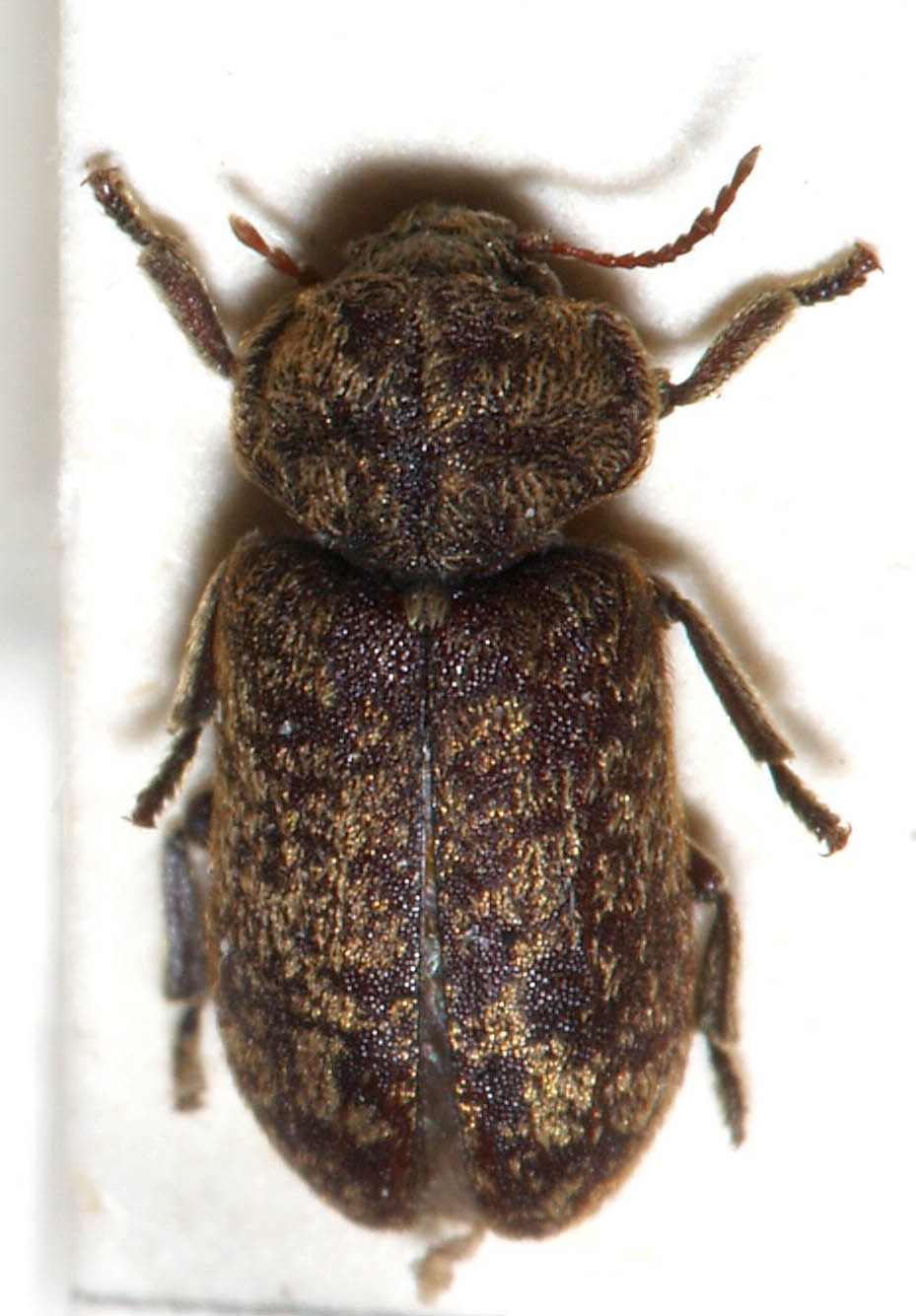
The deathwatch beetle is a small brown beetle that lives inside old wooden beams. On quiet summer nights, it makes a tapping sound in the wood to call a partner. In old houses and churches, people can sometimes hear this tick, tick, tick in the roof.
How big is it?
How long is it?
How big is Deathwatch beetle compared to YOU?
Just maths in your browser. Nothing is saved or sent anywhere.
How fast is it?
Fun facts
Its larvae can live inside the wood for up to ten years before they turn into beetles.
Dead oak has to wait about sixty years before it is soft enough for these beetles to move in.
The grown-ups live only a few weeks. In that time a female lays 40 to 80 eggs.
The larvae are creamy white with black jaws and grow to about 11 millimetres long.
Families of deathwatch beetles can stay in the same piece of wood for many generations.
Most asked questions about Deathwatch beetle
?Why is it called the deathwatch beetle?
Long ago, people sitting up all night with a sick person heard its ticking in the quiet house, so it was linked with those sad nights.
?What makes the ticking sound?
The adult beetles make a tapping sound to call each other, after they come out in spring and summer.
?Does the deathwatch beetle damage houses?
Its larvae can weaken old oak beams, mostly in historic buildings. Modern houses use other wood that it does not like.
Myth buster
Myth: Hearing a deathwatch beetle tick means someone will die soon.
Truth: No. The ticking is just the beetle tapping on wood to find a mate. It is an old superstition.
For bug experts
- Scientific name
- Xestobium rufovillosum
- Group
- Beetles
- Family
- Ptinidae
- Classification
- Insecta > Coleoptera > Ptinidae
- Lives on
- Europe, North America, Africa, Australia and Oceania
Where the facts come from
- Deathwatch beetle (Wikipedia, CC BY-SA 4.0): what it looks like, where it lives, what it eats, sizes and fun facts, retold in simple words.
- Picture by Sarefo. CC BY-SA 3.0, Wikimedia Commons. The round sticker of this bug is cut from the same picture.
If we got something wrong, sorry, we are bug fans, not a science journal. Tell us at [email protected] and we will fix it.
 Stag beetle
 Hercules beetle
 Common glow-worm
 Goliath beetle
 Cockchafer
 Mealworm beetle
 Horse botfly
 Citrus mealybug
 Horn fly
 Tailed daddy long-legs spider
 Speckled cockroach
 Australian house centipede